

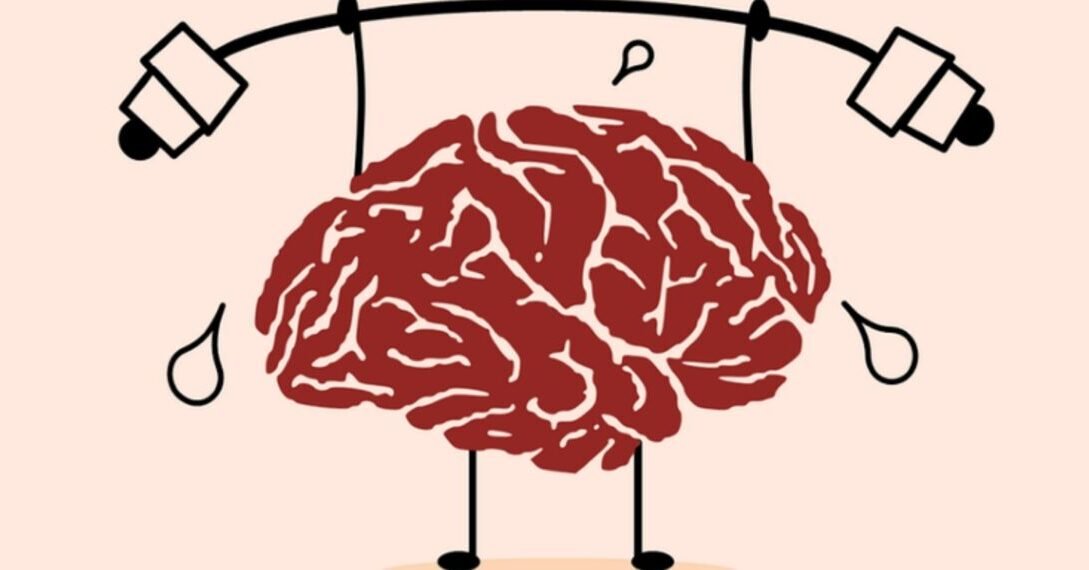
Mental fatigue is one of the most common yet least discussed problems of our age. While often perceived as a personal failing, it is actually a natural warning signal from the brain.
The phrase “I just can’t think straight anymore” is a familiar cry, but it’s also the clearest symptom of burnout. Have you ever felt completely drained at the end of the day, even if you weren’t physically active? When focusing becomes a struggle, simple decisions feel like a burden, and tasks are constantly postponed—that is mental fatigue.
Why Does Mental Fatigue Happen?
Contrary to popular belief, mental fatigue isn’t just about “working too hard.” It’s about the increasing weight of our relationship with life. Thinking, deciding, and processing emotions all take a toll on the brain.

Common causes of mental fatigue include:
- Digital Overload: Constant exposure to screens and notifications.
- Multitasking: Forcing the brain to switch between unrelated tasks.
- Decision Fatigue: Making hundreds of small choices daily that deplete cognitive energy.
- Emotional Labor: Managing anxiety, uncertainty, and high expectations.
Each unresolved thought is like an open file on your computer’s background. Mental fatigue occurs when those files are never closed.
The Connection Between Mental Fatigue and Procrastination
As we discussed in our previous post on procrastination habits, these two concepts are deeply intertwined. In fact, mental fatigue is often the root cause of why we put things off.
When the brain is exhausted, it enters “energy-saving mode.” Complex or high-focus tasks are perceived as threats. This leads to a vicious cycle:
- Mental Fatigue leads to Procrastination.
- Procrastination creates guilt and stress.
- Stress causes even more Mental Fatigue.
Creativity, Entrepreneurship, and Cognitive Load
Mental fatigue is particularly prevalent among creative thinkers and entrepreneurs. For a founder, the mind never truly “shuts off.”

Entrepreneurship requires constant decision-making, living with uncertainty, and wearing multiple hats simultaneously. This turns the brain into a system that is always “on.” In this context, mental fatigue isn’t a weakness; it’s a natural risk factor. Successful ventures are built not just on good ideas, but on a sustainable mind.
How to Overcome Mental Fatigue
To break the cycle and regain your edge, you must consciously reduce your cognitive load:
- True Rest vs. Distraction: Don’t replace work with scrolling through social media. Real rest comes from quieting the mind, not distracting it.
- Externalize Your Thoughts: Use journaling or “brain dumping.” Once you write a thought down, your brain feels it can stop “holding” it, reducing the mental weight.
- The Power of Small Starts: Your brain fears giant goals. Instead of saying “I will finish this project,” tell yourself “I will look at it for 10 minutes.” Starting often dissolves the threat.
- Respect Your Circadian Rhythm: Do your high-intensity work when your mind is fresh (usually mornings) and save administrative tasks for when your energy dips.
Conclusion: Listen to Your Mind
Mental Fatigue is not a character flaw; it is a human response to the frantic pace of modern life. When your mind gets tired, it is asking you for one thing: “Treat me more humanely.” Listening to that request is the first step toward reclaiming your productivity and your peace.
Important Note: If this feeling has persisted for a long time and nothing seems to help, you may be experiencing burnout. Seeking professional support is not a sign of weakness; it is a sign of high self-awareness.